Astrology — The Science of the Ancients
Astrology
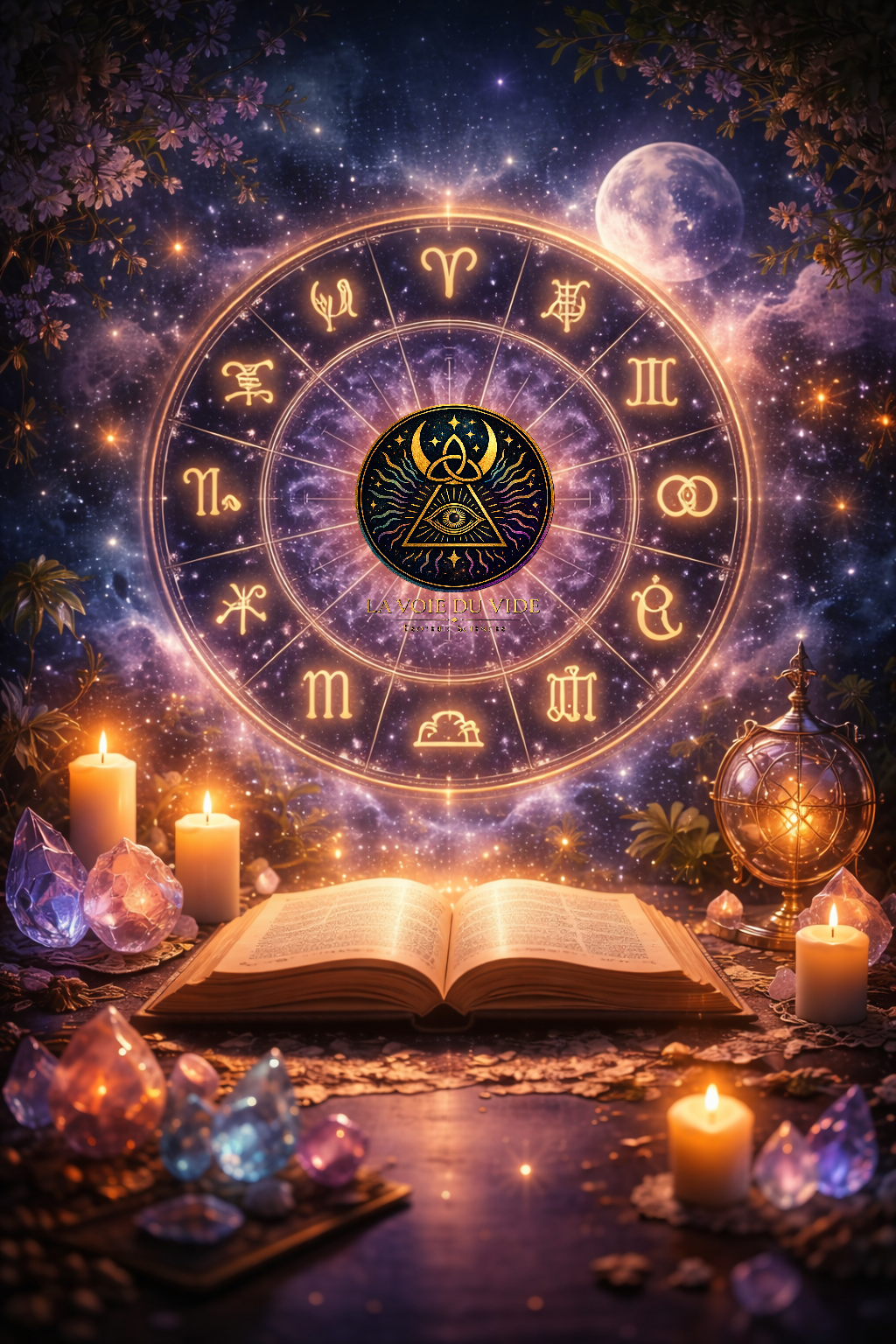
Astrology is an ancient system of knowledge cultivated by great civilizations since antiquity, through the observation of the sky, the recording of time, and the birth of astronomy. It is not a “quick divinatory art.” It is a symbolic and temporal model that describes tendencies, cycles, and psychodynamic qualities — not inevitable events.
“Human beings should obtain their knowledge from the Sun, the Moon and the stars.” — Ralph Waldo Emerson
“We are born at a given moment… astrology claims nothing more.” — C. G. Jung
1) What Astrology Is — and What It Is Not
Astrology studies the human being within time: character, psychological structure, tendencies, repeating patterns, and cycles. In essence, it is a system of symbols that “reads” the quality of a moment — what is happening when something is born (a person, a relationship, a business, an event).
What is often misunderstood is this: astrology does not promise to “predict everything.” On the contrary, it shows frameworks and probabilities. A person’s choice, attitude, and consciousness determine how a tendency will be experienced. Astrology is a tool of self-knowledge and right timing — not a mechanism of fear.
2) Natal Chart: the personal “code” of the moment
The Natal Astrological Chart is the map of the sky at the exact moment a person is born, in a specific place. It includes the positions of the Sun, Moon, planets, axes, and houses. This chart is unique — like an imprint.
- Identity & motives (Sun, Ascendant, rulers).
- Emotional world (Moon, 4th house, aspects).
- Mind & communication (Mercury, 3rd house).
- Relationships & love (Venus, Mars, 7th/5th house).
- Work & calling (10th house, MC, Saturn/Sun).
- Lessons & evolutionary directions (Saturn, Nodes, 8th/12th).
3) Timing: why astrology is the science of “when”
Astrology is not only about “who you are.” It is also about when something is activated. Planetary cycles show periods of pressure, maturation, opening, revision, or expansion. In this way, the chart becomes a strategic tool: “When is it wise to begin? When should I wait? When should I close a cycle?”
- Transits — what is being activated now.
- Secondary Progressions — inner maturation.
- Solar Returns — the theme of the year.
- Eclipses — powerful temporal “nodes.”
- Dashas — life periods (timing of developments).
- Nakshatras — refined psycho-symbolic divisions of quality.
- Gochara — transits over the Moon/Atma, etc.
- Remedies — practical balancing methods (with discernment).
4) Esoteric & Karmic Astrology — Asteroids
Esoteric (or spiritual) astrology focuses on the “meaning” behind symbols: what you are called to mature, which quality to embody, which old patterns to transform. Karmic astrology often works with the Lunar Nodes, Saturn, and 8th/12th house themes (not as fear, but as a lesson).
- Ceres — nourishment, care, maternal/nurturing force.
- Pallas — strategy, wisdom, problem-solving patterns.
- Juno — commitment, relationship contract, balance.
- Vesta — sacredness, devotion, focus of inner fire.
- Chiron — wound & healing, the teacher through experience.
- Lilith (Black Moon) — raw truth, shadow, independence.
Note: asteroids are always read in relation to the main chart (Sun/Moon/Axes/Houses) — they are not, by themselves, a prediction.
5) Synastry & Love Astrology
Synastry compares two charts in order to reveal chemistry, points of friction, needs, interactions, and “what can be built together.” It is used for relationships, partnerships, and family dynamics. What matters is to see the dynamic — not a final verdict.
- Sun/Moon: basic compatibility of rhythm.
- Venus/Mars: attraction, eroticism, style of love.
- 7th house & ruler: type of partner/contract.
- Saturn: commitment, endurance, “glue” or burden.
- Romantic: relationship, chemistry, cycles of growth.
- Professional: collaboration, roles, goals.
- Family: bonds, boundaries, dynamics.
- Composite / Davison: the “chart of the relationship.”
6) Traditions beyond the West
“Astrological” thinking exists in many civilizations as a language of time. At Vox Libre, we present this framework with respect: as cultural wisdom and not as a passing trend.
- Chinese Astrology: animal cycles, five elements, timing through years/months/hours.
- Celtic approach: nature, earth cycles, symbolic correspondences (trees/festivals/seasons).
- Shamanic perspective: the sky as gateway, totemic energies, direction/cycle as initiation.
These traditions do not “replace” Western or Vedic analysis — they add a different layer of meaning.
7) Practical compass: how to use astrology correctly
- Start with the basics: Ascendant, Sun, Moon, ruler of the Ascendant.
- Read the houses: this is where the energy manifests (life area).
- Look at aspects: psychological dynamics live in planetary relationships.
- Use timing with moderation: transits show a tendency — not “fate.”
- Keep a journal: note when something “hits” so you can build experiential understanding.
- Protect your freedom: avoid catastrophism and absolute prophecies.
The most mature use of astrology is this: to clearly perceive the rhythm, understand yourself, and choose with consciousness.
8) Ethics, boundaries, and discernment
- No fatalism: a tendency is not a sentence.
- No fearmongering: prediction is not a tool of fear.
- Consent: we do not analyze third parties without reason/permission.
- Boundaries: astrology does not replace medical, legal, or financial advice.
- Respect: traditions have roots — they are not a “trend.”
Αυτή η ανάρτηση είναι επίσης διαθέσιμη σε:
 Français
  Ελληνικά


You May Also Like

Caffeomancy ( Coffee Ground Divination / Tasseography with coffee grounds).
December 24, 2025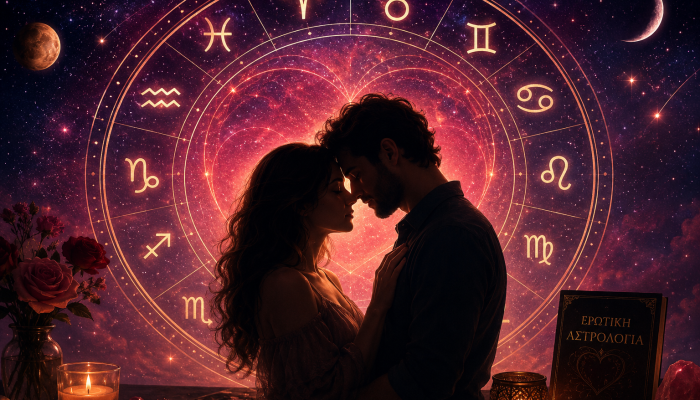
Love & Relationship Astrology
July 4, 2026
